Rewilding is an approach to nature conservation that focuses on restoring self-sustaining ecosystems by reconnecting habitats, restoring key species and reducing human control over natural processes. It is about giving nature the space and conditions it needs to function again — and removing the obstacles that prevent this from happening.
Healthy ecosystems are not static. Rivers shift course, forests regenerate after disturbance, herbivores graze and move across landscapes, predators regulate prey, insects pollinate plants and soils slowly build fertility. These overlapping processes create resilient landscapes that can adapt to change. Rewilding recognises that conservation is not about maintaining a fixed picture of nature, but about restoring the dynamic systems that allow life to organise itself.
For most of human history, nature had room to absorb our impacts. Large areas remained untouched or lightly used, allowing wildlife and ecological processes to continue functioning. Today, however, the scale and intensity of human land use has expanded to most habitable regions of the planet. Agriculture, infrastructure, urbanisation and industrial activity have fragmented landscapes into smaller and often isolated parcels. In many places — including Southwestern Europe — land is divided into thousands of privately owned and intensively managed units. This fragmentation disrupts natural processes such as animal migration, water circulation, pollination, grazing dynamics and carbon storage.
Rewilding seeks to restore these processes at a landscape scale. This can mean reconnecting forests and wetlands, allowing rivers to flood naturally again, creating ecological corridors for wildlife movement, or supporting the return of species that play important roles in shaping ecosystems. Sometimes it also involves reducing pressures such as pollution, overgrazing or excessive disturbance.
These interventions are often surprisingly simple in principle. Removing a small dam can restore kilometres of river habitat. Allowing dead wood to remain in forests can increase biodiversity. Replacing monoculture fields with mixed woodland and pasture can bring back birds, insects and mammals. In marine environments, reducing underwater noise or improving water quality can help sensitive species return. Rewilding is therefore not only about large wilderness areas — it can take place in farmland, coastal zones, river valleys and even in gardens.
Providing space for nature is central to this approach. Human societies require land for food, water, energy, housing and infrastructure, but rewilding is not about eliminating these needs. It is about finding a better balance between human use and ecological function. Because natural processes operate across wide areas, fragmentation has disproportionately affected the larger dynamics of ecosystems. When landscapes become too divided, food webs simplify and resilience declines.
A general rule in ecological restoration is that the more space nature has, the less intervention is required. Large natural parks tend to support complete food webs — including predators and large herbivores — while small urban green spaces often lack many of these components. This does not mean small spaces are unimportant. On the contrary, they can provide refuge and stepping stones for biodiversity. But functioning ecosystems depend on connectivity and scale.
At the same time, not all landscapes start from the same ecological condition. An area that has been heavily industrialised or chemically farmed for generations will usually be more depleted than one that has been lightly and traditionally managed. In some places, simply reducing pressure allows nature to recover rapidly. In others, targeted restoration may be needed before natural processes can resume. This can include improving soil health, reintroducing native species, managing invasive plants or restoring natural hydrology.
Because ecosystems are complex and shaped by local culture, geography and history, there is no single model of rewilding. Different approaches can lead to similar outcomes, and the same intervention can have different effects depending on context. This is why rewilding projects are typically preceded by ecological assessments and feasibility studies to understand what a landscape needs most.
Importantly, rewilding is not about abandonment. It is a transition in how we relate to land. In many regions it involves working closely with farmers, landowners, local communities and public authorities to develop new economic and social models that support ecological recovery. Nature-based tourism, extensive grazing systems, payments for ecosystem services and collaborative land stewardship are all examples of how human livelihoods can align with healthier ecosystems.
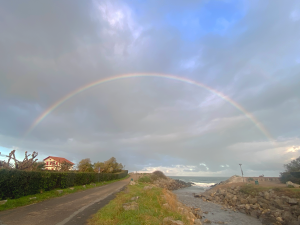
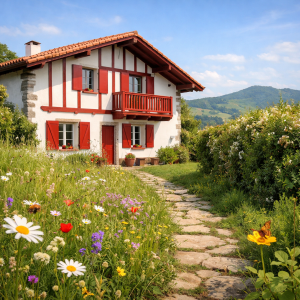
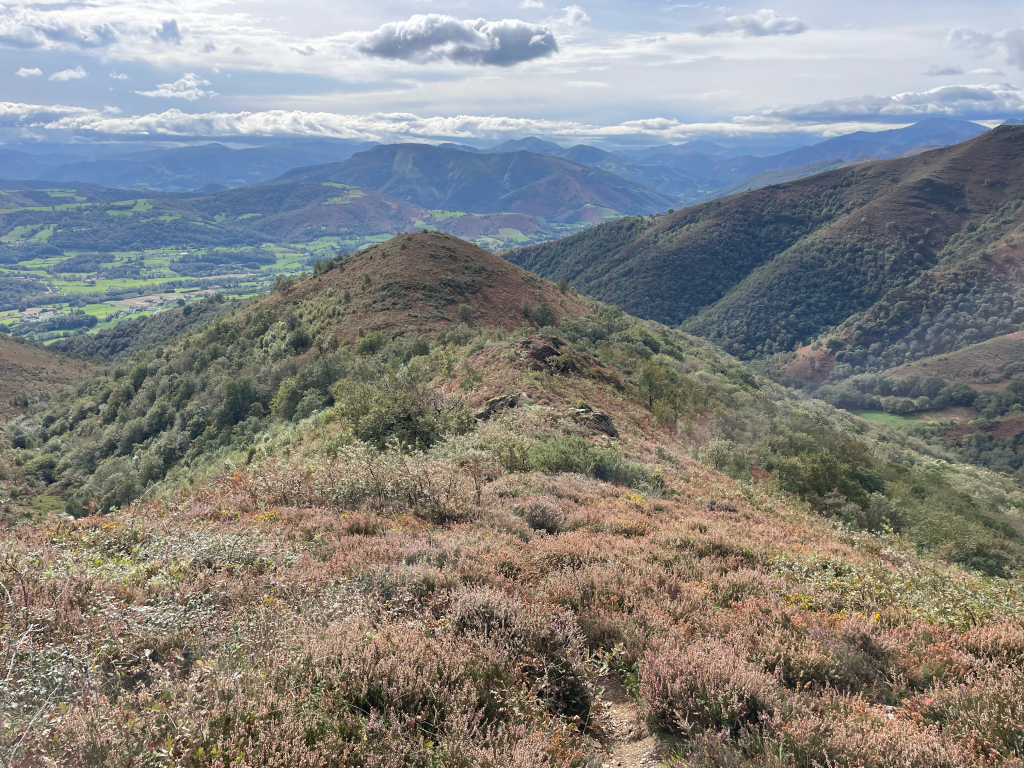
In regions such as the Basque Country, where mountains, forests, farmland and coastal waters exist in close proximity, rewilding may mean reconnecting fragmented bocage landscapes, restoring silvopastoral mosaics, improving river continuity or reducing pressures on marine biodiversity. These actions are grounded in local realities but contribute to broader goals such as climate resilience, water security and biodiversity recovery.
Ultimately, rewilding is about allowing living systems to regain their capacity to organise and sustain themselves. By restoring space, connectivity and key ecological processes, we move from trying to design nature toward learning how to live within it. In a rapidly changing world, restoring nature is not only about repairing landscapes, but also about reconnecting with our environment, understanding the place we inhabit and respecting the life with which we share it.